
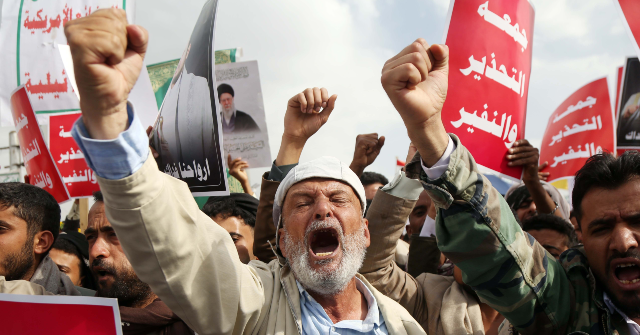
Abdul-Malik al-Houthi marked the Islamic holiday celebrating the Prophet Muhammad’s birthday with a speech accusing Saudi Arabia of “serving Zionism” and warning of more attacks, according to reports from Al Mayadeen and the Islamic Republic News Agency (IRNA).
Holiday speech targets Riyadh
Al Mayadeen reported that al-Houthi criticized Riyadh for policies toward Yemen and alleged a contradiction between restrictions on Yemenis and the opening of the skies over Mecca and Medina to “Israelis.” The outlet quoted him saying Saudi insistence on tightening the blockade and conducting military mobilizations amounted to “tyranny and serving Zionism.”
Al Mayadeen also reported that al-Houthi framed Saudi military operations as conducted “under U.S. supervision,” claiming Riyadh’s approach serves broader U.S. and Israeli interests rather than Yemeni or Arab interests.
IRNA highlighted al-Houthi’s assertion that “Zionism has targeted the Islamic Ummah,” and reported that he reiterated a stance of “blockade in response to blockade” toward Saudi Arabia. IRNA also reported he made overtures assuring the Houthis’ loyalty toward Iran.
Ship ban and costly detours
The speech celebrated a July announcement by Houthi leaders of a “maritime ban” on Saudi ships in the Bab el-Mandeb, a chokepoint opening to the Red Sea with direct implications for Saudi oil shipments. As of last week, the campaign had severely disrupted Saudi Arabia’s oil industry, with many Saudi tankers forced to take costly detours, according to Bloomberg as cited in the source text. The outlet’s reporting said vessels small enough for the Suez Canal were instead navigating up the Red Sea, around Egypt, and then around Africa to reach Asia—about a 17,000-mile journey.
Houthis’ latest attack claims
On Monday, Houthi spokesman Yahya Saree claimed the group bombed the Amzan, described as a Saudi oil tanker, off Yemen’s coast. He said the strike was “precise and direct,” caused a fire aboard, and prompted nearby ships to flee, adding that the group is ready for “stronger and more severe” strikes if the conflict escalates.
In early August, Houthi leaders also claimed a major attack on what they called “Saudi enemy mercenaries” operating in Yemen. While some reports put casualties in the dozens, the Houthis claimed a higher toll.
Background on the flare-up
The latest escalation followed Houthi leaders’ July declaration of a Saudi ship ban after the Saudi military reportedly targeted a flight from Tehran to Sana’a. Houthi leaders claimed the flight carried senior Houthi representatives returning from a funeral; multiple reporters indicated it was transporting Iranian military aid to the Houthis.
The Houthis, also known as Ansar Allah, seized Yemen’s capital, Sana’a, in 2014. Yemen’s conflict remains unresolved, with a rival government based in Aden relying heavily on Saudi Arabia for support.