Western Journal reports that after the last U.S. troops departed Erbil Air Base on Sept. 30, security responsibilities in northern Iraq shifted fully to Baghdad and the Kurdish Peshmerga. Within weeks, the outlet says, political infighting intensified and Peshmerga cohesion began to fray—putting two decades of U.S. training and investment at risk.
Parliament walkout and a widening party rift
According to Western Journal, Prime Minister Masrour Barzani reconvened the Kurdistan Regional Parliament on Nov. 4 for the first time in two years, and the speaker’s chair and other top posts were filled by members of Barzani’s Kurdistan Democratic Party (KDP). The Patriotic Union of Kurdistan (PUK) objected, PUK leader Bafel Talabani pulled his party out of parliament, and an independent member, Yasin Aziz, said, “The events have been painful and rapid. The differences between the two parties were significant and have now led to a breakdown in relations.” The outlet adds that some analysts suspect this split could harden into two rival administrations, echoing the 1990s civil war period.
Drone strike hits key gas field amid blackout
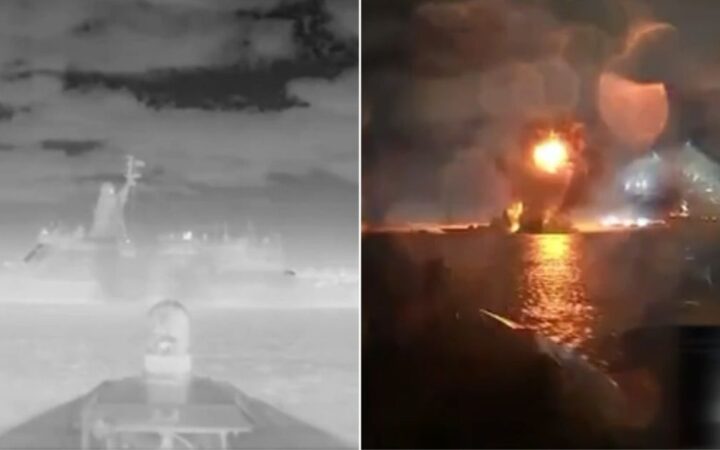
Western Journal reports that on Nov. 8 a drone launched from near Tuz Khurmatu struck the Khor Mor gas field, knocking 2.8 GW of power offline and triggering a regional blackout. The outlet says Baghdad officials ruled out Iran as the perpetrator; it also notes that a day earlier, Kataib Hezbollah had named Khor Mor as a target. The site’s expansion was partially financed by the U.S. International Development Finance Corporation in 2021, per the report.
The article attributes a condemnation of the Khor Mor attack and support for Iraqi and Kurdish authorities to a statement by “U.S. Presidential Envoy for Iraq Tom Barrack.”
Why it matters for U.S. interests
Per Western Journal, the U.S. has long trained and equipped the Peshmerga to counter terrorist groups and, more recently, Iran-aligned actors. The outlet warns that without a U.S. presence, unified command is faltering as party lines reassert themselves. It also cites recent hits to American business activity: U.S.-owned HKN Energy was struck at the Sarsang oilfield in March, halting production, and the company reportedly suspended operations again during a weekend wave of attacks. The report further notes ongoing U.S. Treasury scrutiny of Iraq’s market, including sanctions on Iraq’s deputy oil minister in May, and argues the Kirkuk–Ceyhan pipeline grew more vital for Western crude flows when the Strait of Hormuz was closed.
Western Journal cites Chatham House analyses: an October warning that partisan rivalry absent U.S. mediation could create a power gap undermining efforts to counter Iran and manage ties with Türkiye, and an April note identifying Masrour Barzani as central to PUK grievances.
The road ahead: unity push vs. regional pull
Western Journal contends the U.S. is “staying away” as the KDP–PUK feud leaves Kurdistan vulnerable to regional power moves and deeper Iranian influence, noting the PUK’s historic relationships with Tehran and Iran-aligned factions. The outlet adds that Masoud Barzani has called for reconciliation and representative government. It argues Washington should condition security assistance on reunifying the Peshmerga and backing a single functioning regional government.